
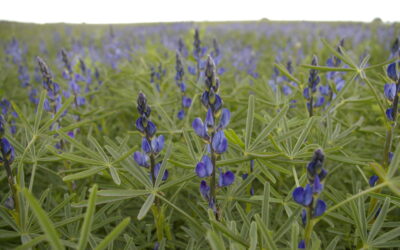
The survey and respondents An online survey with conventional and organic farmers who cultivated lupin was conducted across Germany within the ‘Demonstration Network for Cultivation and Utilisation of Lupin’ between October and December 2019. In total, 67...
Protein from alternative forages Increasing on-farm plant protein production addresses emerging consumer expectations. Producing more high-protein forage reduces reliance on imported protein sources. This reduces the carbon footprint of the feed and reduces the...
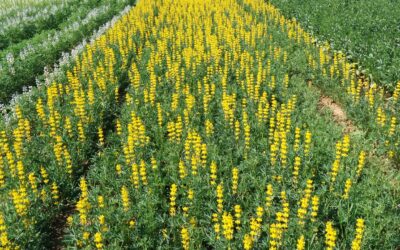
Outcome The main outcome is the identification of a suitable grain legume species for a given farming situation or field. Selecting the right kind of legume crop can affect the yield potential. Length and warmth of growing season The first thing to consider is...
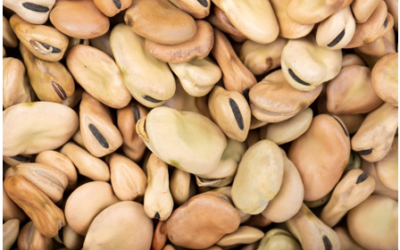
Protein solubility is not a reliable indicator of rumen degradability Proteins in less commonly used grain legumes, such as in pea and lupin, are highly soluble and so the in sacco (nylon bag) technique over-estimates protein degradability because protein...

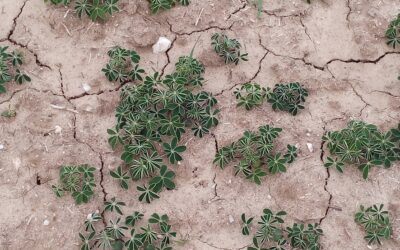
Lupinus albus cultivation Lupin is a promising crop for Greece. It can play a role in livestock feeding in particular. Lupin seeds have a high protein content (up to 44%) and they are also a rich source of calcium, iron, magnesium and phosphorus. Due to its...