video

Jimsonweed threatens the harvest

This video was recorded as part of the SoniaProQ course. It shows how jimsonweed is structured and why it is dangerous for humans and animals. Even small quantities can lead to contamination of the crop. It is therefore important to ensure clean production -from the field through to consistent monitoring of the harvested crop.

read more

Soya production – crop quality

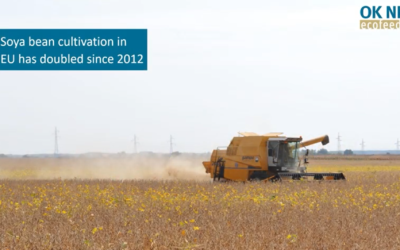
This video was recorded as part of the SoniaProQ course. It shows under which conditions soya grows best and how it can be optimally harvested and stored. Gentle drying is crucial for further processing. Regional, sustainable, and non-GM soybean cultivation is now possible in Austria – what is still lacking, however, is equally regional processing. This requires sound knowledge of the soybean.

read more

Antinutritive substances in soya

This video was recorded as part of the SoniaProQ course. It shows that soybeans contain not only valuable protein but also antinutritive substances – including the trypsin inhibitor, which impairs protein digestion in the gut. This substance must therefore be reduced before feeding, which is achieved through heat treatment. The effectiveness of this treatment can be determined using three different methods: trypsin inhibitor activity, urease activity, and protein solubility.

read more

SoniaProQ – strengthening regional soya processing

This video was recorded as part of the SoniaProQ course. It shows what challenges exist in regional soya processing – in particular, over-processing occurs frequently. The SoniaProQ project therefore aims to develop inline measurement sensors to strengthen and better monitor regional processing.

read more

Soya production – processing products

This video was recorded as part of the SoniaProQ course. It shows what types of soya feed products exist and how they differ. In general, the residual fat content determines which processing product is produced soybean meal, soybean cake, or soybean oil.

read more

Soya for livestock

This video was recorded as part of the SoniaProQ course. It shows that soya is an optimal feed due to its high protein and energy content as well as its high biological value. However, when fed raw, it can be problematic for certain animal species – as trypsin inhibitors impair nutrient absorption. To reduce these, the soya must be toasted, whereby an optimal degree of roasting is decisive.

read more

Course Video

his video was recorded as part of the SoniaProQ course. The university course “Fundamentals of Soya Processing and Utilisation in Animal Production” ran from 26 February 2025 to 24 September 2025 and covered a broad range of topics – from soybean cultivation and basic knowledge of animal nutrition to the presentation of the latest technologies in small-scale roasting plants.

read more

What is NIRS

This video was recorded as part of the SoniaProQ course. It shows how near-infrared spectroscopy can measure parameters in the soybean to assess feed quality. Certain measurement methods also allow the digestibility of the feed to be analysed.

read more

What is the proteome

This video was recorded as part of the SoniaProQ course. It shows that a proteome comprises the entirety of all proteins and that a proteome analysis provides detailed information about individual proteins. However, the heat treatment intended to reduce the trypsin inhibitor also destroys valuable proteins. By analysing different soybean varieties, differences in trypsin inhibitor content can be identified and the roasting process of soya optimised accordingly.

read more

Thermal treatment methods

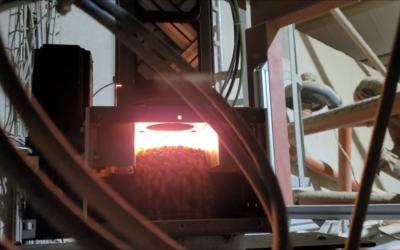
This video was recorded as part of the SoniaProQ course. It shows how the heat treatment of soybeans works to reduce the antinutritive substance trypsin inhibitor – so that the beans are suitable for both human and animal nutrition. The right temperature and duration are crucial. The methods used vary: some work purely thermally, while others combine heat with pressure and steam.

read more
Privacy Overview

This website uses cookies so that we can provide you with the best user experience possible. Cookie information is stored in your browser and performs functions such as recognising you when you return to our website and helping our team to understand which sections of the website you find most interesting and useful.