Crops
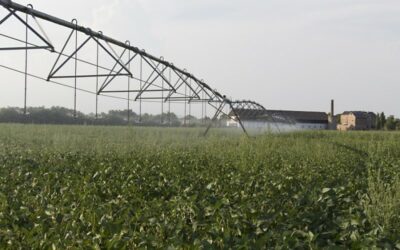
Irrigation of lupin
Lupinus albus cultivation Lupin is a promising crop for Greece. It can play a role in livestock feeding in particular. Lupin seeds have a high protein content (up to 44%) and they are also a rich source of calcium, iron, magnesium and phosphorus. Due to its...
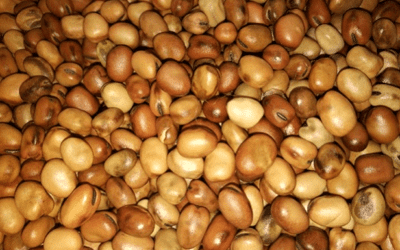
Disease control in faba bean
Outcome A better understanding of these diseases in faba bean enables growers to obtain higher yields through the targeted use of fungicides. Yields are more secure and unnecessary prophylactic fungicide measures can be avoided. This protects the environment...
Lupins – cultivation and uses
Crop rotations with and without legumes: a review
Information on pulses – ZDF hub
Thermal treatment of faba bean for flavour improvement
Outcome This article provides useful information on how to denature flavour-affecting enzymes when developing food products from faba beans. Off-flavours in faba bean Volatile compounds (e.g., aldehydes, alcohols, alkanes, ketones and aromatic...
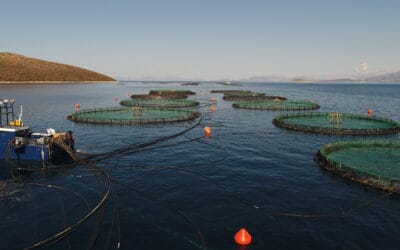
Legume quality requirements for fish feed
Outcome The operation of an efficient market for grain legumes in aquaculture value chains helps growers and suppliers of grain legumes who are interested in supporting the fish feed industry. Understanding the requirements is the foundation of tailoring crop...
Cultivation practices in soybean production at a glance
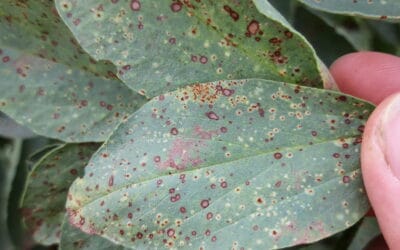
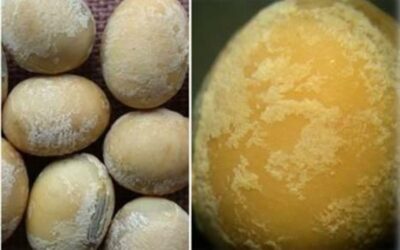
Risk management of downy mildew in soybean
Biology The plant pathogen P. manshurica exists currently in more than 30 different races. There is little relevant difference between races in virulence and response to management. This might change due to the ability of P. manshurica to rapidly adapt to the...
Choosing soybean cultivars
Selection criteria Progress to maturity (earliness): selection principles Depending on the autumn conditions of a site, harvesting in September is generally preferred while ripening in October increases risks with weather. The growing season from crop emergence...
Impact of microfluidization on colloidal properties of insoluble pea protein fractions
The environmental role of protein crops in the new common agricultural policy
Legume Science and Practice 2 conference report
Reducing concentrate supplementation in dairy cow diets while maintaining milk production with pea-wheat intercrops
Comparison of grass and legume silages for milk production. 1. Production responses with different levels of concentrate
Forage intake, meal patterns, and milk production of lactating dairy cows fed grass silage or pea-wheat bi-crop silages
Milk production from silage: comparison of grass, legume and maize silages and their mixtures
Phosphorus fertilisation of faba bean
Outcome Ensuring a good supply of nutrients, in particular phosphorus, from the soil is the nutritional foundation of high yield. Yield increases after P fertilisation of up to 40% are reported under farm conditions in low P index soils. Good fertilisation practice...
Feeding lucerne to dairy cows
Outcome The inclusion of lucerne in a grass or maize-based forage ration reduces the need for feeding high protein rapeseed and/or soybean meal to high-performance dairy cows. The beneficial effect depends on the protein content of the grass or maize silage...
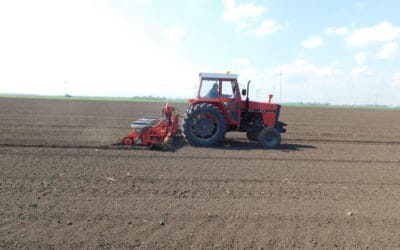
Drill-seeding of soybean
Outcome Good crop establishment is the key to high soybean yields. Practical experience has shown that drill seeders are suitable for achieving high yields. Drill seeders sow in narrow rows which contribute to an early canopy closure which increases the...
Winter pea in south-east Europe
Outcome The experience and knowledge accumulated is applicable across the south-east Europe region. Pea for forage or grain establishes a nitrogen-fixing symbiosis with the pea nodule bacteria Rhizobium leguminosarum biovar viciae, which is naturally widespread...
Feeding faba bean to poultry in practice
Home-grown faba bean for organic poultry Uwe Brede and Babett Löber grow field bean cultivar Bilbo on their organic farm on Domaen Niederbeisheim, near the German city of Kassel. They keep laying hens and young hens, together about 30,000 birds. 100% organic...
Harvesting soybean
Outcome Successful soybean harvesting is about recovering the highest proportion of the grain with the best possible quality and purity at the optimal time. Harvest time Harvest should start when the seed moisture drops to 13–15%. The rate of drying primarily...