
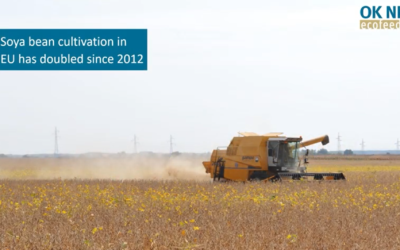
The potential for adapting soybean adaptation to north-western Europe The cultivation of soybean in Europe has increased considerably aided by cultivars that mature early. Matching cultivar to location combined with optimal agronomic practices (sowing date,...
Sclerotina is potentially the most damaging disease that occurs in all regions where soybean is grown. The infection results in yield losses and contamination of seed with sclerotia. Crop rotation and sowing of disease-free seed are the main control measures....
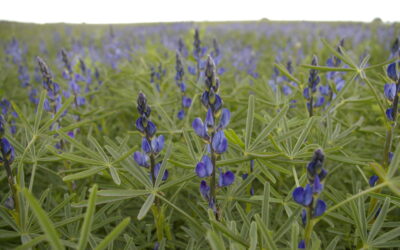
The survey and respondents An online survey with conventional and organic farmers who cultivated lupin was conducted across Germany within the ‘Demonstration Network for Cultivation and Utilisation of Lupin’ between October and December 2019. In total, 67...
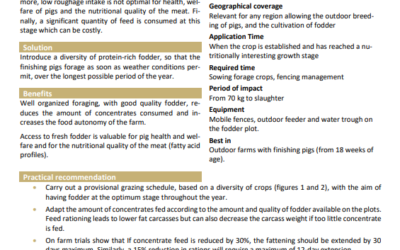
Protein from alternative forages Increasing on-farm plant protein production addresses emerging consumer expectations. Producing more high-protein forage reduces reliance on imported protein sources. This reduces the carbon footprint of the feed and reduces the...
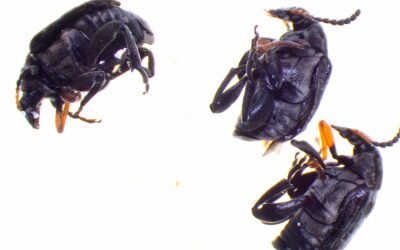
The lifecycle An understanding of the lifecycle is the foundation of control strategies and risk assessments. The beetle has one generation per year. Adults hibernate overwinter in leaf litter and under bark before emerging in April/May. Diapausing adults leave...
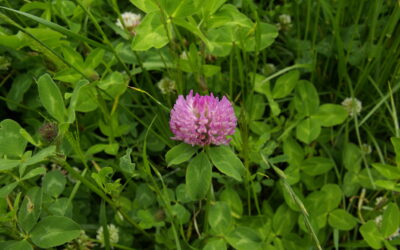
Chemical composition Data in Table 1 show the important differences between typical red clover and perennial ryegrass silages based on observations made in the United Kingdom. The protein content of red clover is 35% higher than that of ryegrass and this allows...
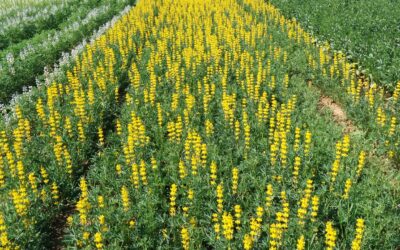
Outcome The main outcome is the identification of a suitable grain legume species for a given farming situation or field. Selecting the right kind of legume crop can affect the yield potential. Length and warmth of growing season The first thing to consider is...